A Guide to AV Amplifiers: What to Buy and Why It Matters More Than You Think
The AV amplifier is the most important component in a home cinema system — and consistently the most underestimated.
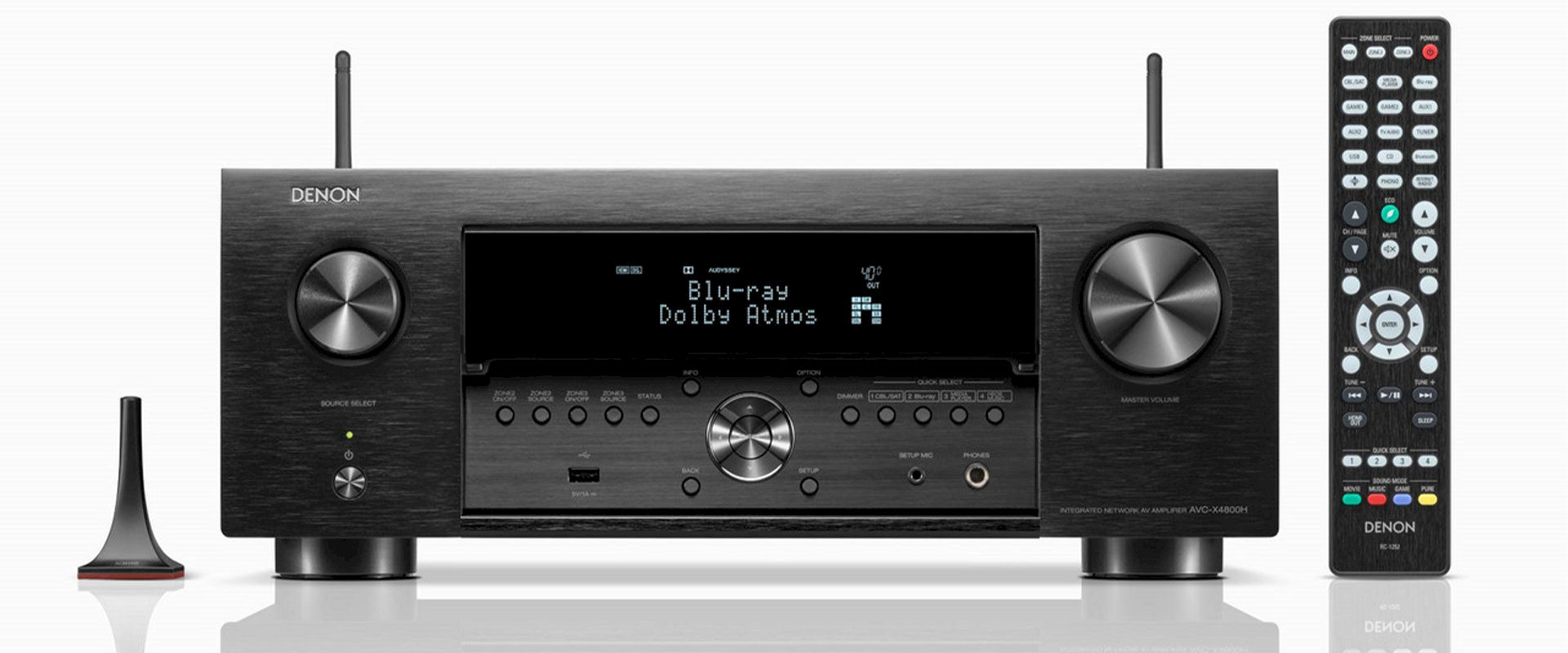
Most people treat it as the box that connects everything together. That is what it does, but it is far from all it does. The AV amplifier decodes every audio format coming from your television, Blu-ray player, or streaming device; amplifies multiple channels simultaneously; manages the crossover between your speakers and subwoofer; and, in any serious modern unit, applies sophisticated room correction that can transform how your room sounds. Get this component right and the rest of the system has room to perform. Get it wrong and there is no speaker upgrade that will fix it.
This guide covers what to consider before buying, what to look for at each price level, and which brands and products make sense for different priorities.
────────────────────────────────────────────────────────────
What to Think About Before You Buy
Channel Count
AV amplifiers are described by their channel configuration — 5.1, 7.1, 7.1.4, 9.4.6, and so on. The first number is main channels, the middle number is subwoofers, the last is overhead channels for Dolby Atmos height effects.
For most living rooms, a 7.1.4 configuration — seven main channels, one subwoofer, four height speakers — is the practical ceiling. Larger dedicated cinema rooms can push further, but the gains from adding channels beyond this diminish quickly in a typical domestic space.
More immediately practical: confirm the receiver has enough channels to drive your speaker configuration from its own amplification, or that it has pre-outs for the channels you intend to add external amplification to later.
Room Correction
This is the single most important technical development in home cinema audio of the last decade, and it deserves more than a bullet point in a spec sheet.
Every room has an acoustic character — frequency buildups in corners, reflections from hard surfaces, bass modes that make low frequencies vary significantly from one seat to another. Even expensive speakers in a well-treated room suffer from these effects. Room correction measures the acoustic response at the listening position and applies precision digital filtering to compensate.
The difference, in a properly set-up system, is not subtle. Bass that was bloated and positionally variable becomes tight and consistent. The stereo image firms up. Dialogue clarity improves. It is the kind of improvement that previously required either extensive acoustic treatment or a move to a different room — and now comes included in the electronics.
Not all room correction is equal, which we'll return to when discussing specific brands.
HDMI 2.1
If you own or plan to own a 4K television, a PlayStation 5, or an Xbox Series X, HDMI 2.1 is not optional — it is the only connection standard that supports 4K at 120Hz, the frame rate these devices are capable of delivering. HDMI 2.0, which many older receivers use, is limited to 4K at 60Hz.
Any AV amplifier bought today should have at least two HDMI 2.1 inputs. This is a straightforward future-proofing requirement.
Receiver or Separates?
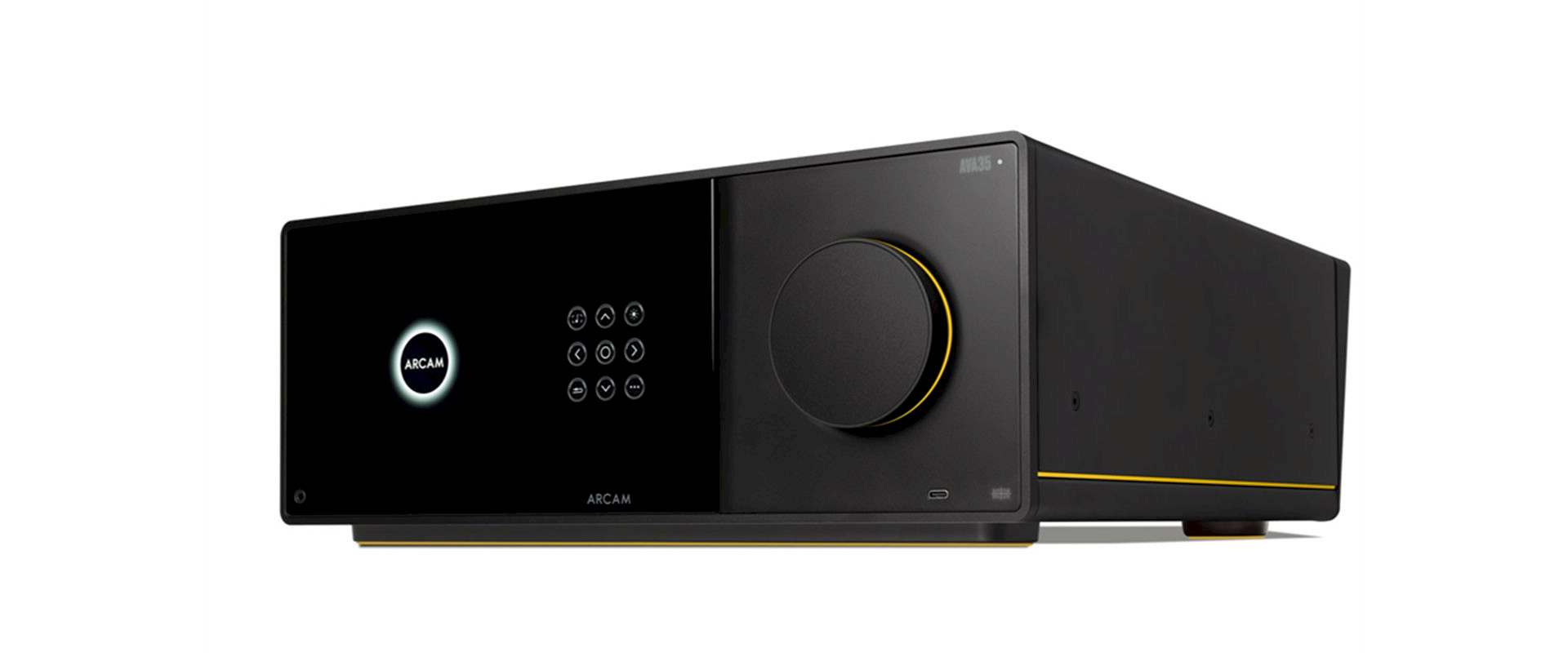
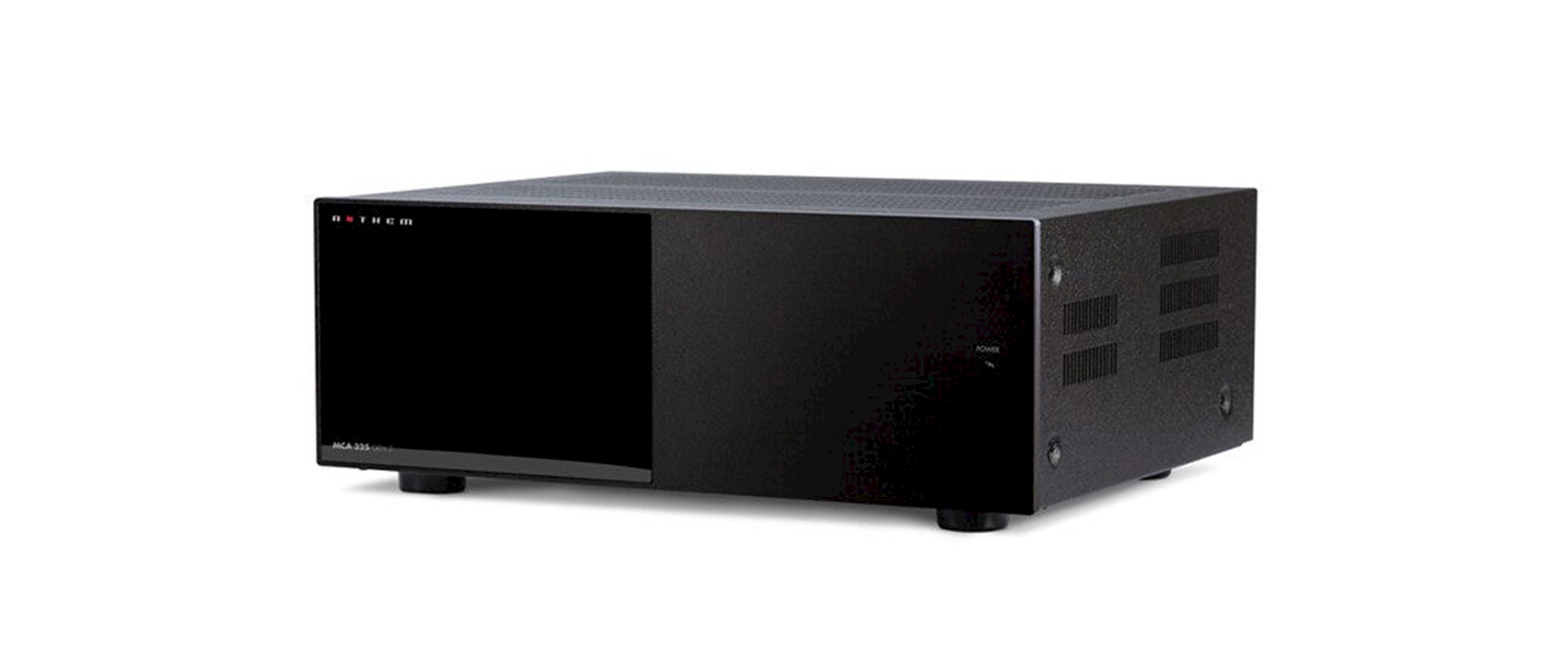
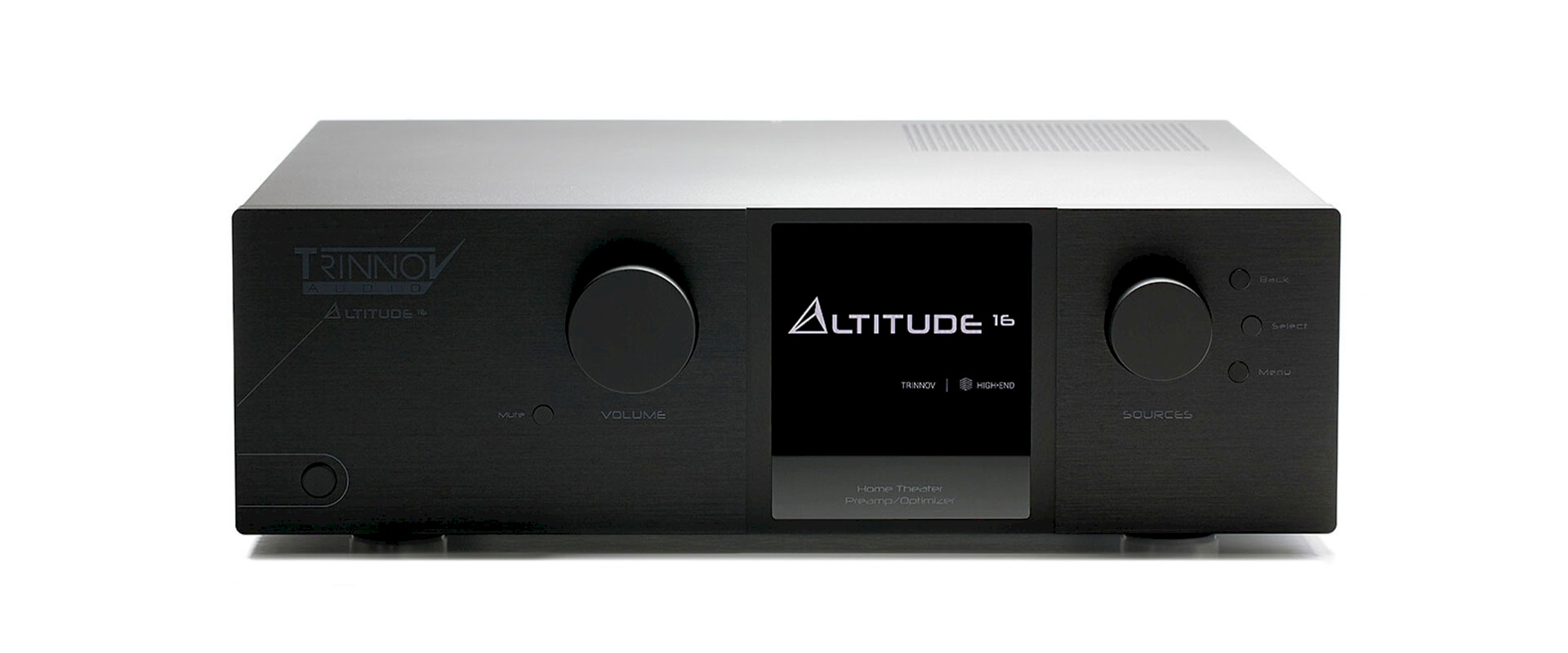
An AV receiver combines preamplifier, processor, and power amplification in a single box. A separates system pairs a standalone processor (preamp/processor, or "pre/pro") with one or more dedicated power amplifiers.
For most buyers, a receiver is the right answer — modern receivers at serious price points are genuinely excellent, and the convenience and value of a single unit is real. Separates make sense when the quality of amplification needs to exceed what a receiver can provide, when you want to run a large channel count with consistent quality across all channels, or when you want the flexibility to upgrade amplification and processing independently.